Trip Planning
Chintsa & East London Travel Guide: Things to Do Around Your Expedition
Updated 23 July 2026 · 9 min read · By the Sardine Run Africa crew
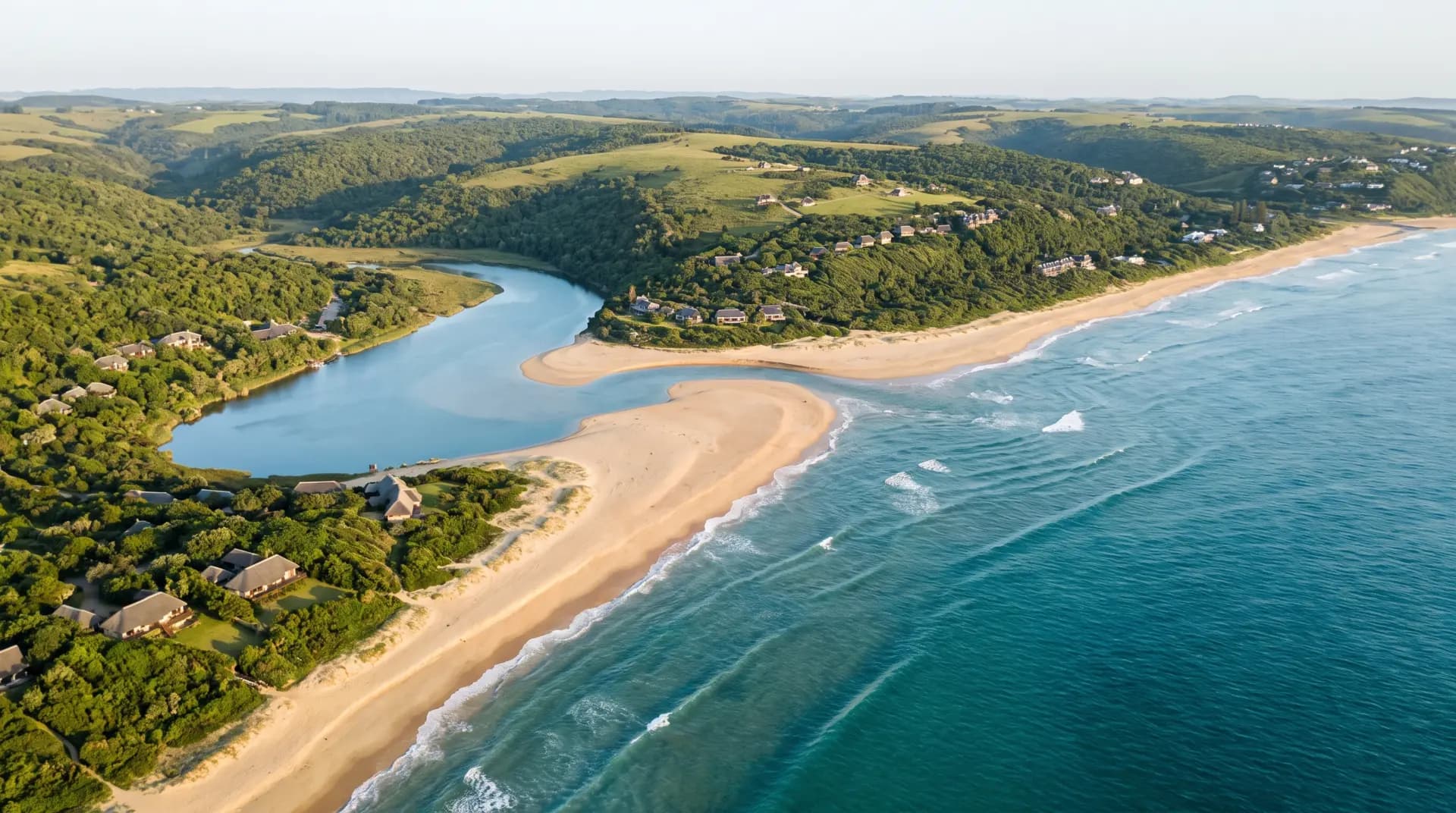
Chintsa is two villages, not one. Chintsa East and Chintsa West face each other across a tidal lagoon about 40 minutes by road from King Phalo Airport in East London, and the beach that runs between them is long, wide and usually close to empty. This is where the Wild Coast begins: drive north from here and the towns get smaller, the roads get rougher and the coastline gets wilder.
For sardine run guests, the village solves a problem every expedition has: weather. The run happens in open ocean in South African winter, and some days the sea says no. At the remoter bases up the coast, a blown-out day mostly means reading in the lodge. In Chintsa it means a game drive at a private reserve, horses on the beach, a paddle on the lagoon or a tasting bench at a craft brewery.
This guide covers the practical side of a week here: getting in from Johannesburg or Cape Town, what to do on land days, where to eat, how to stay connected, and how to bolt Addo or the Garden Route onto the trip. It is written for guests joining our 7-day expeditions, but the logistics hold for anyone spending time on this stretch of coast.
Where Chintsa sits on the Wild Coast
East London is the last proper city on the N2 as you head north-east through the Eastern Cape. Chintsa sits just beyond it on the seaward side, which is why the village gets called the gateway to the Wild Coast: cross one more river, the Kei, and you are into the sparsely developed coastline that gives the region its name.
That southern position is the whole point for run guests. Sardines move from south to north, and the early action of the season shows up in the Gqeberha-to-East London stretch through May and June, before the main fleet gathers around Port St Johns later in winter. Basing at Chintsa puts you on the water where the run arrives first, with far fewer boats around. We make the full case in our guide to the sardine run from East London and Chintsa.
Getting to Chintsa: flights, transfers and self-driving
King Phalo Airport (code ELS) is the hinge of the whole trip. It takes direct flights from Johannesburg, about 1 hour 35 minutes in the air, and direct flights from Cape Town. From the terminal it is roughly a 40-minute drive to the village. That is the entire journey: one domestic flight, one short transfer, done before lunch.
Compare that with the traditional bases further north. Port St Johns means flying into Mthatha, which has limited schedules, then another hour and a half on the road; the alternative is a drive of four to five hours or more from Durban. Other Wild Coast launch points sit further still from any airport. Ease of access is not a small thing at the start and end of a week at sea.
If you are self-driving from the Garden Route or Gqeberha, the N2 is tarred and straightforward. Fill up when you can, allow more time than the map app suggests, and plan to arrive in daylight; that last rule applies to rural driving anywhere in South Africa. We arrange the airport transfer for expedition guests, so a hire car is only worth it if you plan to explore beyond the village.
| Starting point | Route | Final leg |
|---|---|---|
| Johannesburg | Direct flight to King Phalo Airport, East London (about 1h35) | About 40 minutes by road to Chintsa |
| Cape Town | Direct flight to King Phalo Airport, East London | About 40 minutes by road to Chintsa |
| Self-drive from the Garden Route | N2 east via Gqeberha | Turn off just past East London |
| Port St Johns, for comparison | Fly to Mthatha (limited schedules) or drive 4-5+ hours from Durban | About 1.5 hours by road from Mthatha |
Chintsa things to do on a land day
Expedition days start early. Boats launch between about 06:30 and 08:00 and spend six to eight hours at sea, so most afternoons you are back with daylight to spare. Add the occasional weather day and you end up with more land time than you might expect. Here is what Chintsa does well.
For the non-divers in your party
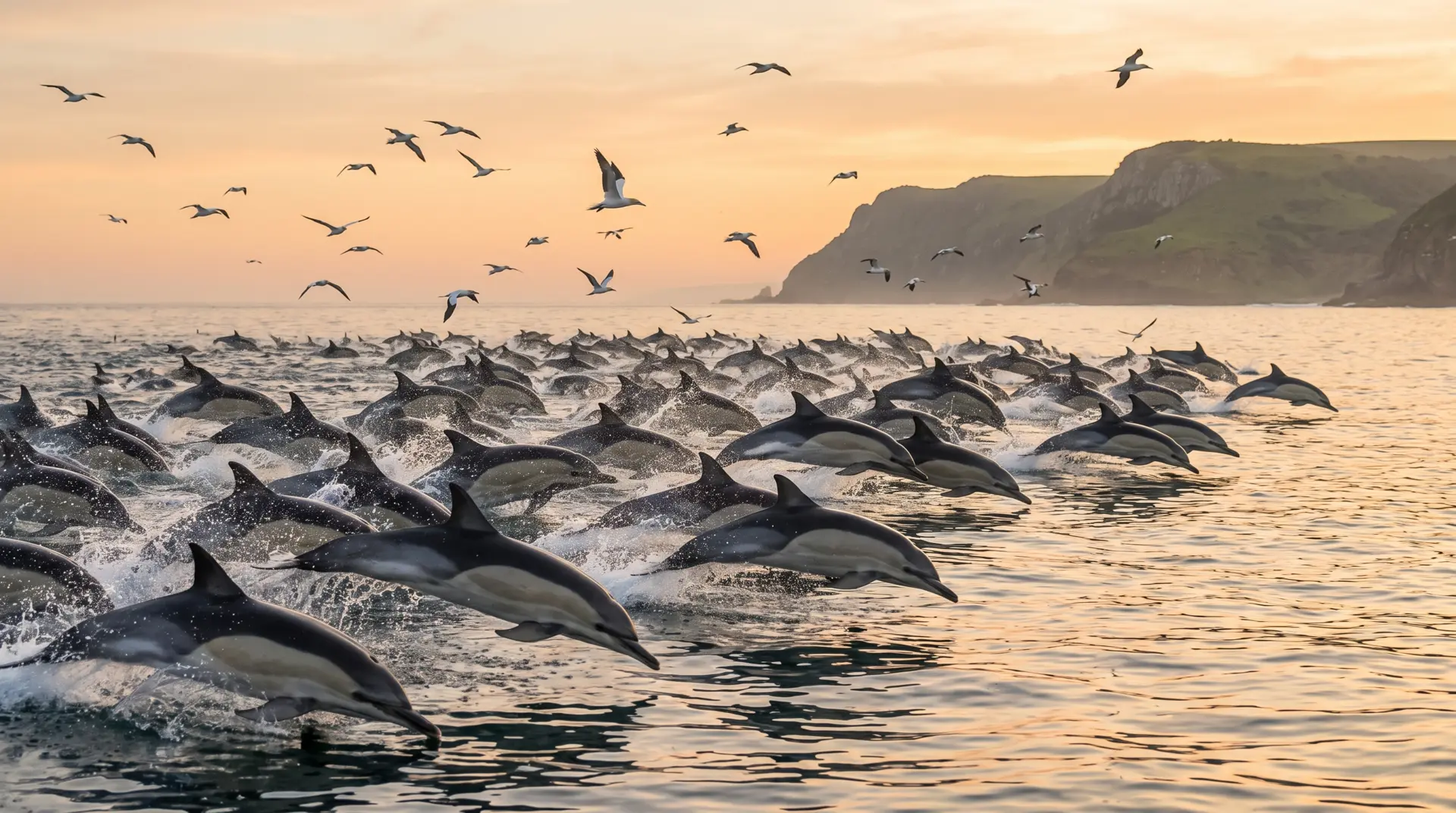
None of the above needs a dive certification, which matters if you are travelling with someone who plans to stay dry. They can also join the boat as a surface passenger; the run is as much an ocean safari as a dive trip, with whales, dolphins and diving gannets watched from the deck. We cover that side of things in the no-scuba guide.
- Inkwenkwezi Private Game Reserve. A private reserve a short drive from the village, with game drives bookable by the morning or afternoon. It is the standard answer to a blown-out sea day, and a good outing for non-diving partners on any day.
- Horse rides on the beach. Local stables run guided rides along Chintsa's sand. You do not need riding experience for the walk-pace outings, and the beach is long enough to make it feel like a ride rather than a pony loop.
- SUP on the lagoon. The tidal lagoon between Chintsa East and West is calm and shallow at the edges, ideal for an easy hour on a stand-up paddleboard when the open sea is doing its winter thing.
- Walking and hiking. The beach itself is the main trail: firm at low tide and walkable for kilometres in either direction. Coastal paths around the village give shorter loops through dune vegetation.
- Craft beer. There is a craft brewery in the area, and a late-afternoon tasting has a way of becoming the default group plan after a big day on the water.
Food and drink
Manage expectations: Chintsa is a village, not a food town. Most expedition guests eat breakfast and dinner at their lodge, with packed lunches on the boat, and that suits the rhythm of the week. Kitchens on this coast do simple things properly, from fresh fish to a slow braai to the kind of breakfast that holds you through a dawn launch.
Beyond the lodge there are a handful of casual restaurants and beach bars split between the two sides of the lagoon, enough for a change of scenery a couple of evenings a week. For self-catering supplies or a bigger night out, East London is 40 minutes away with full supermarkets and a wider restaurant scene. Stock up on the drive in rather than making a special trip later.
SIM cards, money and staying safe
Buy a local SIM at King Phalo Airport when you land, or at any large shop in East London; Vodacom and MTN have the widest coverage on this coast. South African law (RICA) requires ID and proof of an address to activate a SIM, so have your passport and lodge booking confirmation ready. Newer phones can skip the counter with a travel eSIM at slightly higher data rates.
In the village, mobile data works and lodge Wi-Fi exists, but treat both as adequate rather than fast. Download offline maps, boarding passes and any large files before you fly. Out at sea there is no signal for most of the day, which most guests come to regard as a feature.
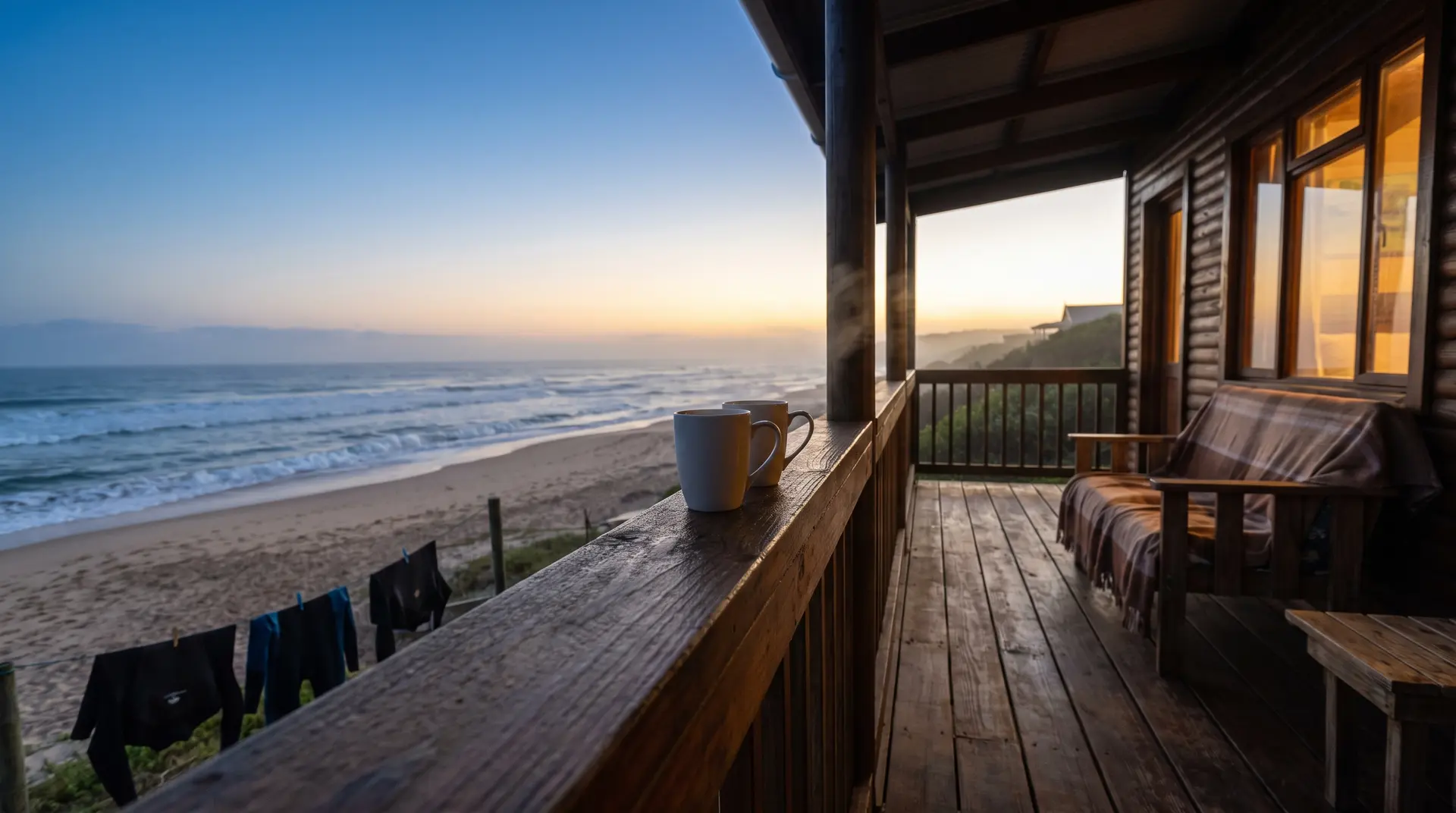
Cards are accepted almost everywhere, including for small amounts, so draw only a modest amount of cash at the airport for tips and roadside stalls. On safety: Chintsa is a quiet, low-key village, and the sensible rules are the ones that apply across South Africa. Avoid driving rural roads after dark, keep valuables out of sight in parked cars, and use the lodge safe for passports and spare cards.
SIM card shortcut
RICA registration needs your passport plus an address. A screenshot of your lodge booking confirmation satisfies the address requirement at the SIM counter, so save one to your phone before you board.
Chintsa weather in June and July
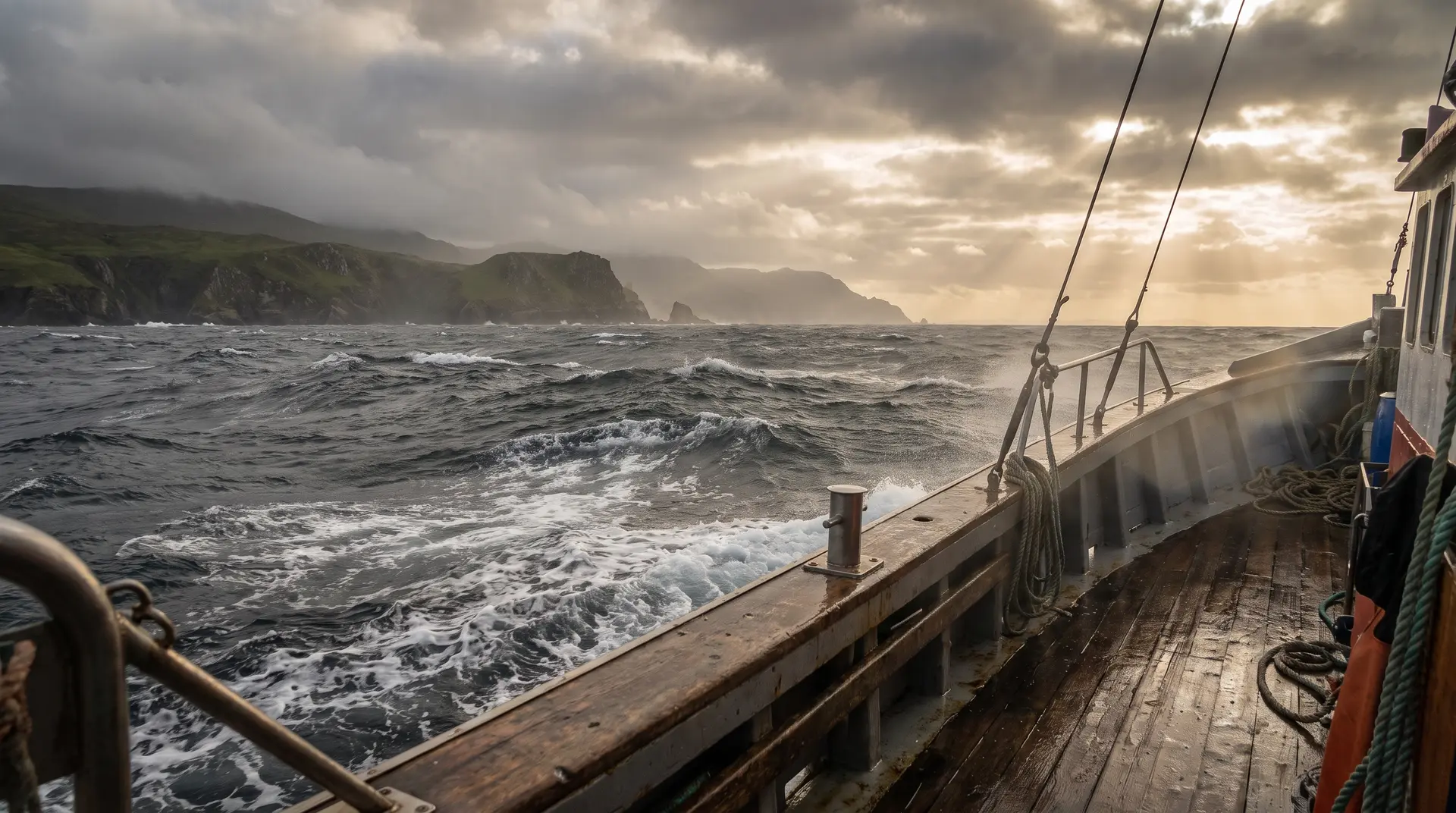
June and July are midwinter, and midwinter on this coast is milder than the word suggests. Daytime air temperatures run between about 14 and 21 degrees Celsius. Mornings are the cold part: a dawn launch into the wind on an open boat feels far colder than the thermometer says, and then by midday you are often peeling layers off in the sun.
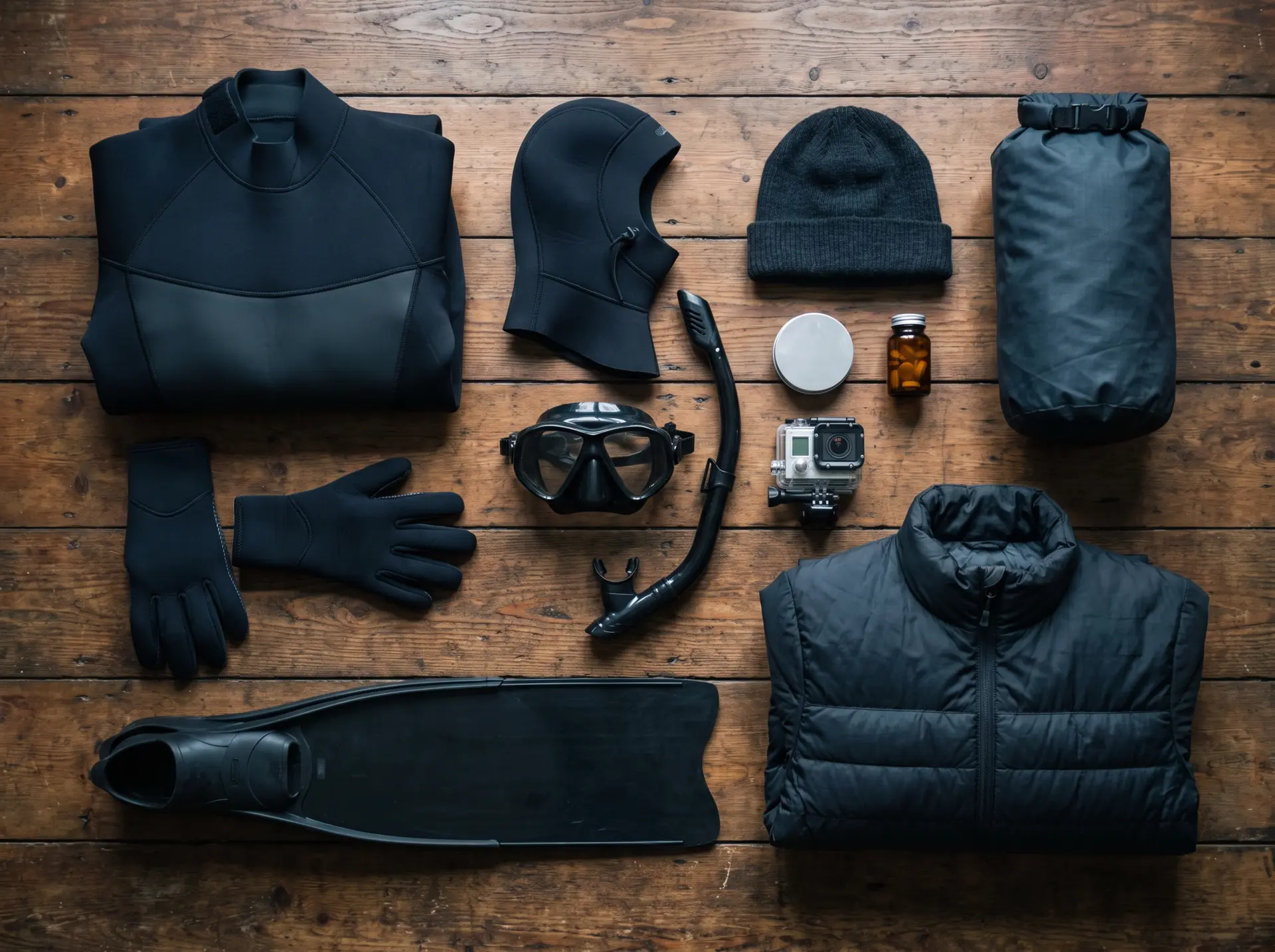
The sea sits in the same 14-21 degree band, which is exactly the cool water the sardines need. A 5-7mm wetsuit with a hood handles it comfortably. Winter swell is variable, and that variability is why sensible itineraries keep flexibility in the week. For the full picture read the water conditions guide, and pack against the expedition packing list rather than beach-holiday instinct.
| Item | Typical range | What it means for you |
|---|---|---|
| Air temperature | 14-21°C | Warm layers and a windproof shell for the launch; lighter clothing by noon |
| Sea temperature | 14-21°C | 5-7mm wetsuit with hood and gloves for in-water sessions |
| Time at sea | 6-8 hours | Sunscreen, seasickness tablets and a dry bag all earn their place |
| Launch window | About 06:30-08:00 | Early breakfasts; most afternoons are yours |
Combining the run with Addo or the Garden Route
The expedition anchors itself to the season, so plan in this order: lock your run week first using the season dates guide, then build the rest of the trip around it. Everything else in the Eastern Cape is open year-round; the sardines are not.
Addo Elephant National Park sits inland from Gqeberha, a morning's drive west of Chintsa along the N2, and it pairs naturally with the run: big-game safari on one side of the week, ocean safari on the other. Two nights there gives you proper game drives without rushing either half of the trip.
Keep driving west and you are on the Garden Route. Our sister company, Offshore Adventures, operates out of Plettenberg Bay, so we know that coastline well and can point you at the parts worth your remaining days. A shape that works for international guests: fly into Cape Town, work east along the Garden Route, finish with the run week at Chintsa, then fly home out of East London via Johannesburg. It reads like a lot of ground; on winter roads it is an easy, uncrowded drive.
Frequently asked questions
How do I get from King Phalo Airport to Chintsa?
It is about a 40-minute drive. Transfers are arranged for expedition guests when you book; independent travellers can organise a shuttle through their lodge or hire a car at the terminal. There is no useful public transport on this route.
Is it worth adding extra days in Chintsa before or after the expedition?
One or two, yes. A buffer day before departure protects you against domestic flight delays, and a day after gives you the game reserve or the beach without a launch alarm. Longer extensions are better spent toward Addo or the Garden Route.
What can a non-diving partner do during sea days?
Plenty. Inkwenkwezi game drives, beach horse rides, lagoon paddling and long beach walks all run on land-day logic, and partners can also join the boat as surface passengers to watch the action from deck. The village is compact and easy to potter around on foot.
Is there phone signal and Wi-Fi in Chintsa?
Yes. Mobile data works in the village on the main networks and most lodges have Wi-Fi, though speeds are modest. Offshore you will have no signal for most of the day, so download anything important the night before.
How cold is Chintsa in June and July?
Air temperatures typically sit between 14 and 21°C. Mornings on the water are the coldest part of the day and call for proper wind layers; afternoons in the village are often T-shirt weather. Think layers, not polar kit.
Can I combine the sardine run with a land safari?
Easily. Inkwenkwezi Private Game Reserve is a short drive from the village for land-day game drives, and Addo Elephant National Park is a morning's drive west for a two-night add-on. Many guests treat the trip as a double safari: land animals on one side of the week, the ocean in the middle.
Keep reading
Sort the sea days first
The 2026 season has just wrapped, and 2027 expedition weeks book earliest in the calendar. Pick your run week, then plan the land days around it; this guide will still be here when you do. Dates, pricing and inclusions are on the packages page, and we answer questions fast if anything about the logistics is unclear.
Boats carry small groups only, and prime weeks go 6-12 months out.