
Trip Planning
When Is the Sardine Run in South Africa? Season, Dates and the Best Time to Go
Updated 23 July 2026 · 9 min read · By the Sardine Run Africa crew
The sardine run happens every year between May and July, during the South African winter. That is the short answer, and it hides the detail that decides whether your week at sea is good or great: the run is not one event that happens everywhere at once. It is a moving front. Billions of sardines push north along the Eastern Cape coast, and the action arrives at each stretch of coastline in sequence, south first, north later.
The old fishermen's calendar still holds up surprisingly well. Historically, the shoals passed the Bashee River mouth around 8 to 9 June and reached Durban around 25 June. Work backwards from those dates and you get the modern expedition season: the southern zone around East London and Chintsa fires first in May and June, Port St Johns and Mbotyi peak from mid-June into July, and by late July the whole thing tapers off.
This guide breaks the season down month by month, explains what those historic milestone dates mean for choosing your week, and covers the two questions that catch first-time bookers out: why the best weeks sell 6 to 12 months in advance, and how weather windows actually work once you are on the coast.
The Sardine Run Season at a Glance: May to July
The run is triggered by temperature, not by a calendar. Sardines are cool-water fish that prefer 14 to 20°C, and they only move up the coast when winter counter-currents cool the inshore water below about 21°C, opening a cold corridor inside the warm, south-flowing Agulhas Current. That cooling starts in the south and spreads north, which is why the season has a shape rather than a single date. If you want the mechanism in full, read why the sardine run happens.
In practice, the bookable expedition season runs from early May to late July. Operators in the southern zone (East London and Chintsa) sell trips from May through June. Port St Johns operators sell mid-June through July, with some stretching into the first days of August. Nobody serious sells an August-through-April sardine run trip, because there isn't one.
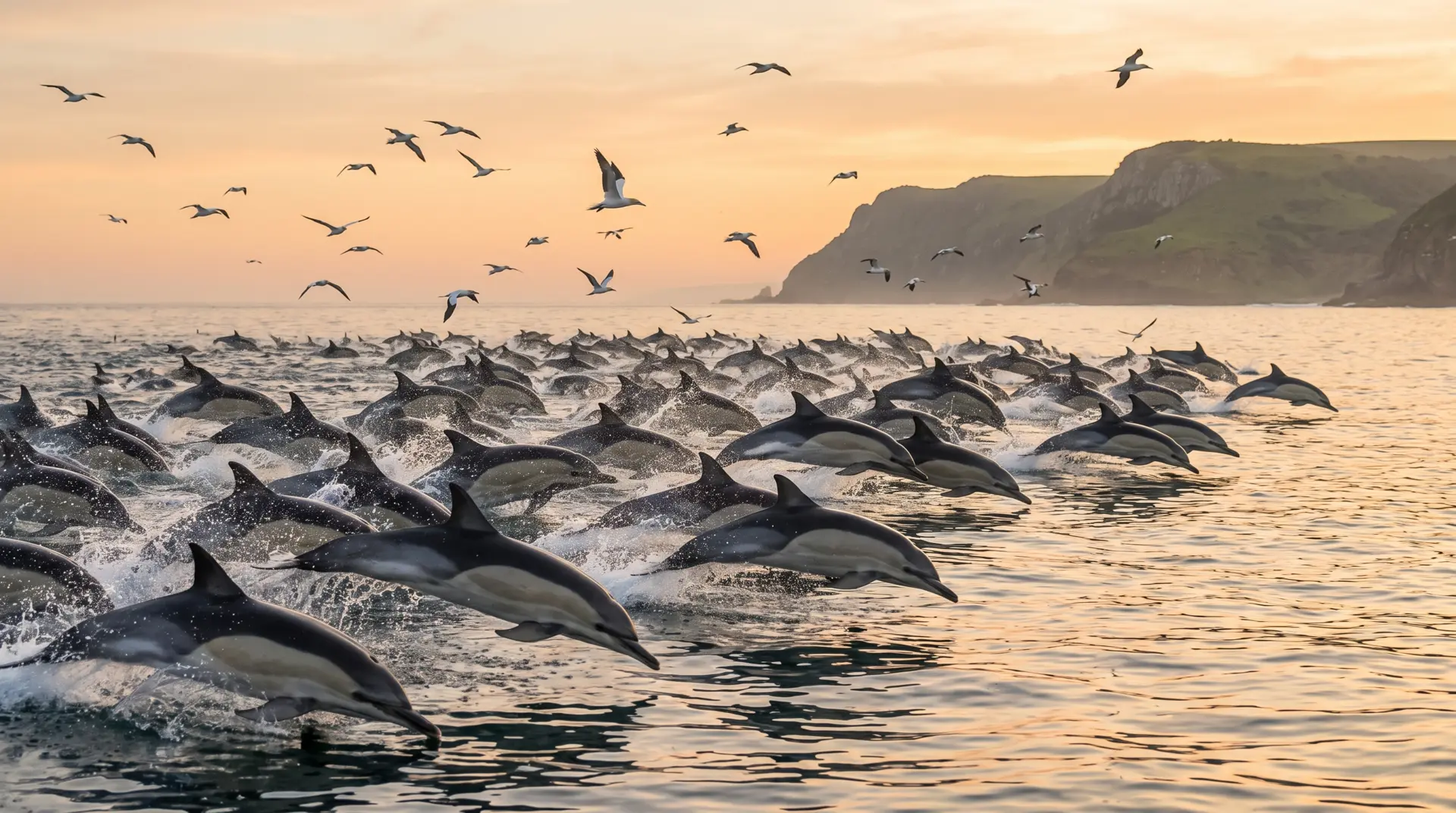
One more thing worth knowing before you look at dates: the sardines are not the only show. Humpback whales migrate north along the same coast at the same time, so even a week when the shoals are patchy delivers whales, common dolphin pods and diving gannets on most sea days. The season dates below are about maximising your odds of the main event, the bait ball, on top of that baseline.
The one-line answer
May to July, south to north. Chintsa and East London see it first (May-June), Port St Johns peaks mid-June to July, and the action tapers by late July. Book 6-12 months ahead for prime weeks.
Sardine Run Dates: Month-by-Month Breakdown
Here is how the season typically unfolds along the coast. Treat the dates as a strong pattern, not a timetable; a warm autumn can delay the start by a couple of weeks, and a cold snap can bring it forward.
| Period | Where the action is | What's happening |
|---|---|---|
| Early-mid May | Southern zone: Gqeberha to East London | Inshore water cools below ~21°C; first shoals and predator activity appear in the south. Season opens at Chintsa. |
| Late May - early June | East London, Chintsa, up to the Kei River | Southern zone builds. Common dolphin pods, gannet activity and the first proper bait balls, with the fewest boats on the water all season. |
| 8-9 June (historic milestone) | Bashee River mouth | The traditional date the shoals pass the Bashee, the halfway marker up the Wild Coast. |
| Mid-June - mid-July | Port St Johns, Mbotyi, Waterfall Bluff | The classic northern peak. The continental shelf narrows and concentrates the action; this is when most of the fleet is at sea. |
| ~25 June (historic milestone) | Durban | The date shoals historically reached Durban. The KZN leg has been unreliable since the early 2000s, so expeditions stay on the Wild Coast. |
| Mid-late July | Northern Wild Coast | Action tapers. Shoals thin out, humpback traffic remains heavy, and operators wind down toward early August. |
May and June: The Southern Zone Fires First
PADI's own guidance on the run says the early phase, May into June, is best viewed near Gqeberha and East London, before the action shifts north. That matches what the temperature data predicts: the cold corridor opens in the south first, and the sardines follow it.
This is the window our expeditions run in. Launching from Chintsa, just north of East London, puts you on the water for the opening act of the season, covering the coastline from the Hamburg area up toward the Kei River. Two things make these weeks distinctive. First, you meet the run on its way up, so the shoals passing through are fresh to the coast rather than remnants of what the northern fleet has already worked. Second, very few operators base themselves this far south, so a bait ball found here is usually yours alone. No queue of RIBs, no rotation system.
The trade-off is honest and worth stating: the southern zone is an earlier, quieter bet rather than a guaranteed-busier one. The run builds as it moves north, and mid-season Port St Johns concentrates more boats precisely because it concentrates action against a narrowing shelf. What the south offers is first access, uncrowded water and an easy journey, since Chintsa sits about 40 minutes from King Phalo Airport in East London with direct flights from Johannesburg and Cape Town. Compare that with the road time to the northern bases and the difference in lost holiday hours is real.
Mid-June to July: Port St Johns and the Northern Peak
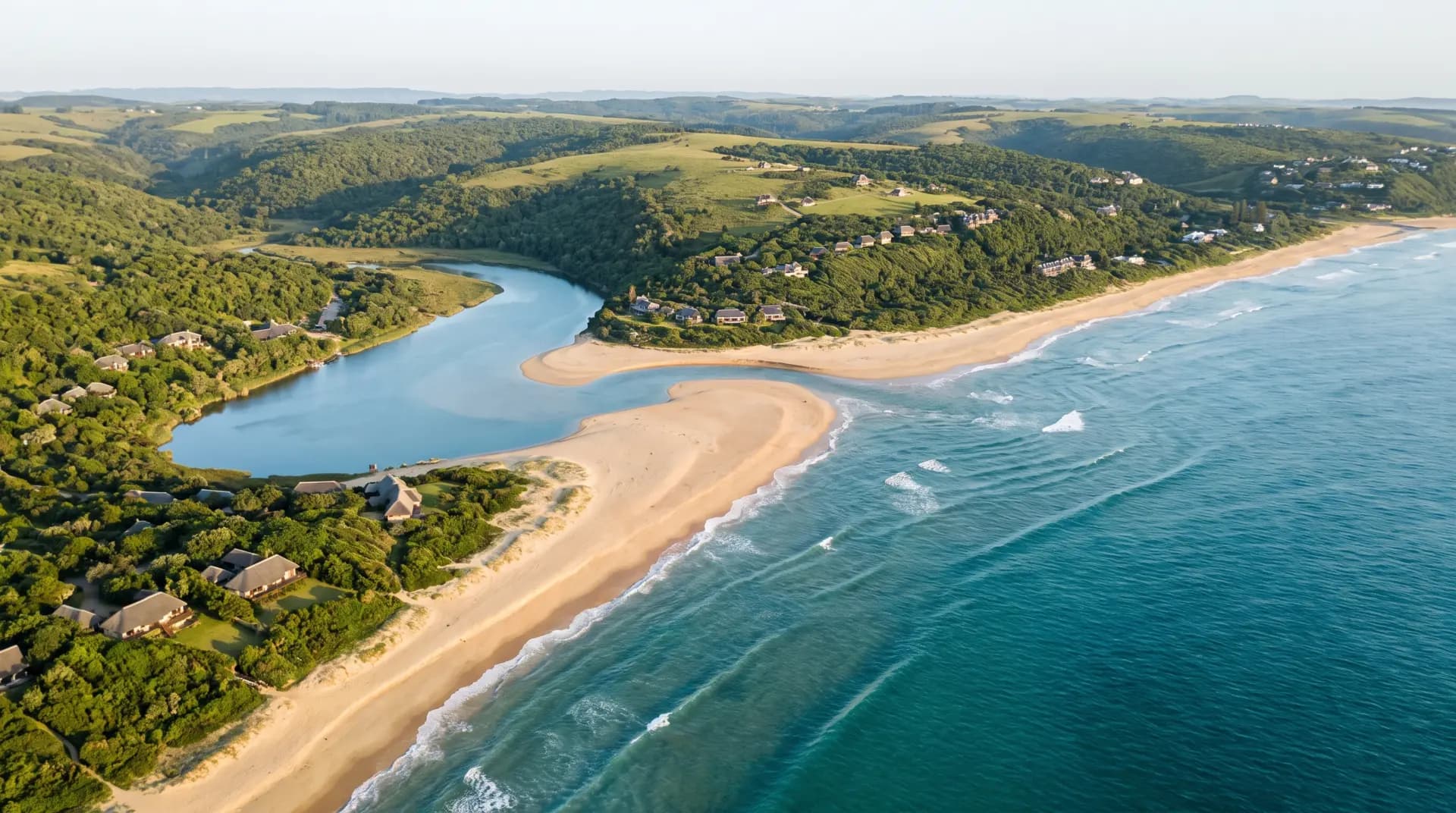
By the second week of June, using the Bashee River milestone as the marker, the leading edge of the run is usually well up the Wild Coast. From mid-June through mid-July the focus shifts to Port St Johns and Mbotyi, where Waterfall Bluff pinches the continental shelf and funnels sardines, dolphins and sharks into a narrower band of ocean.
This is the period most of the famous footage comes from, and it is also the busiest. Port St Johns operators sold their 2026 seasons from roughly 10 June to 10 August, and prime mid-season weeks were marked full months before the first launch. If your heart is set on the northern peak, that is the window to target, and the booking pressure to plan around.
The two zones are complementary rather than competing. Some guests do both in different years; some pick based on logistics. For a fuller comparison of the bases along the route, see where to see the sardine run.
How Long Does the Sardine Run Last?
As a coastal event, about three months, early May to late July. At any single location, the intense period is shorter, roughly four to six weeks as the front passes through. That is why choosing where to base yourself matters as much as choosing when: the route the run follows means Chintsa's window and Port St Johns' window overlap only briefly.
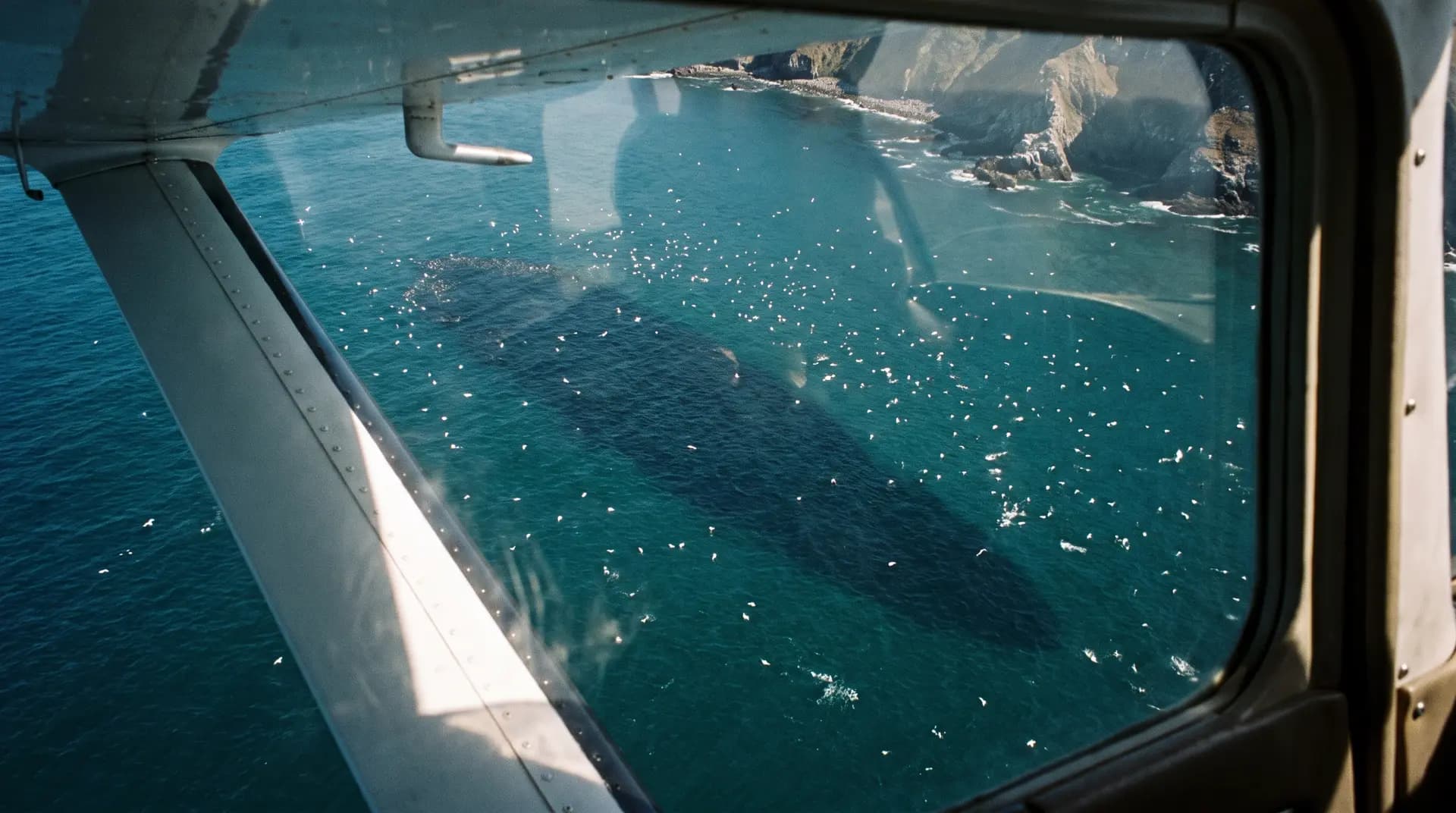
Zoom in further and the timing gets spikier. The run moves in pulses, not a steady stream. A shoal passes, predators pile in, then the coast can go quiet for a day or two before the next pulse arrives. And the headline moment, a working bait ball, typically measures 10 to 20 metres across and rarely lasts more than about ten minutes before the predators finish it or the ball breaks up and sounds.
Those numbers drive one practical conclusion that every experienced operator agrees on: book at least five sea days. A single-day trip is a lottery ticket. Five or more sea days across a week lets you ride out a quiet pulse or a blown-out day and still be on the water when it happens. Serious photographers book ten.
How Weather Windows Work Within Your Week
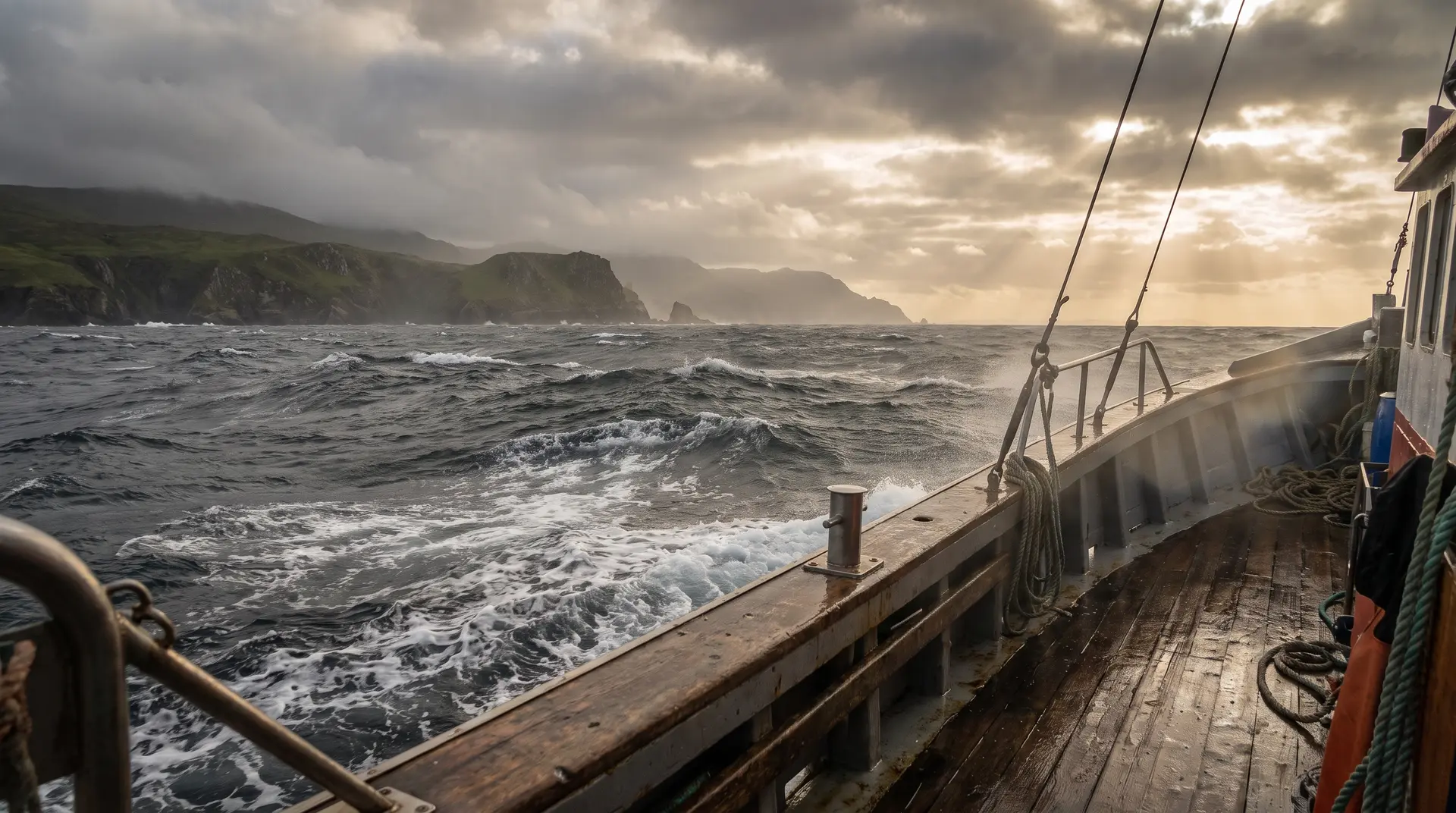
Winter on the Eastern Cape coast delivers the cold water that makes the run possible, and it also delivers cold fronts. Every expedition week is really a negotiation between the forecast and the skipper. Some days are flat and glassy. Some are workable with a lumpy ride. A few are blown out completely, and no reputable operator launches into them.
A realistic expectation for a 7-day expedition with five scheduled sea days is that you sail most of them, with launches typically between 06:30 and 08:00 and six to eight hours at sea. The skipper reads the synoptic charts each evening and calls the next day accordingly; sometimes that means an early launch to beat an afternoon wind, sometimes a later start once a front clears.
Read the fine print on any package, ours included: across the industry, sea days lost to weather are not refunded. That sounds harsh until you understand the economics of small boats and short seasons, and it is exactly why the multi-day format exists. It is also worth weighing what a blown-out day looks like at each base. Around Chintsa you have game reserves, beaches and the town of East London within easy reach; the remoter northern bases have far less to offer when the sea says no. Our guide to water and sea conditions covers swell, visibility and temperature in detail.
Why Booking Windows Fill 6 to 12 Months Out
The maths of the sardine run is unforgiving. The season is about twelve weeks long. Boats carry six to eight guests. An operator running one boat therefore sells fewer than a hundred prime-week seats per year, and the industry-wide advice is to book 6 to 12 months ahead because that is how far out the good weeks actually go.
The 2026 season proved the point again: most Port St Johns mid-season departures were marked full well before June, and operators across the coast take 30 to 50 percent deposits to lock dates precisely because demand outruns supply. Search interest follows the same curve, building from December and peaking in June, by which time the boats have long been full.
With the 2026 season just wrapped, the 2027 booking window is open now. Late July to October is when returning guests and photographers claim the weeks they want; by the southern-hemisphere summer, choice narrows to shoulder dates. If a specific week matters to you, whether that is the early southern action in late May or the June build-up, secure it early. You can see current 2027 availability and deposit terms on our expedition packages page.
Booking timeline for the 2027 season
Aug-Oct 2026: full choice of 2027 weeks. Nov 2026-Jan 2027: prime weeks thin out as year-end planning kicks in. Feb-Apr 2027: shoulder dates and cancellations only. May 2027: the boats launch.
So When Is the Best Time to Go?
If you want first access and uncrowded water, target late May to mid-June in the southern zone from Chintsa. You meet the run as it arrives, you fly into an airport 40 minutes from the lodge, and on a good bait ball you will likely be the only boat there. This is the week we build our 7-day expeditions around.
If you want the traditional northern peak and can live with more boats and harder logistics, target mid-June to mid-July at Port St Johns. And if your dates are fixed by work or school holidays, take whatever week falls inside May to July and maximise sea days rather than agonising over the perfect fortnight; the run rewards time on the water more than calendar precision.
Whichever window you choose, the constants hold. Book six months or more ahead. Commit to at least five sea days. Expect the weather to take a day and plan to enjoy the coast when it does. The sardines have kept roughly the same appointment since the first written record in 1853; the only real variable is whether you have a seat on a boat when they arrive.
Frequently asked questions
When exactly does the sardine run start?
There is no fixed opening day. The run begins when inshore water cools below about 21°C, which usually happens in early to mid-May in the southern zone between Gqeberha and East London. A warm autumn can push the start later; a cold one can bring the first action forward into early May.
What are the historic milestone dates for the sardine run?
Fishermen's records put the shoals passing the Bashee River mouth around 8 to 9 June and reaching Durban around 25 June. The Bashee date remains a useful mid-season marker, while the Durban arrival has become unreliable since the early 2000s as the KZN leg of the run weakened.
Does the sardine run happen every year?
The migration happens every winter, but its strength varies with water temperature. In warm years the cold inshore corridor opens late or only partially, producing a weak run, and the KZN South Coast leg has been inconsistent since about 2002. The Eastern Cape and Wild Coast remain the reliable stretch, which is why expeditions base there.
Is late July too late for the sardine run?
It is the tail of the season. Sardine action tapers through late July, though humpback whale traffic stays heavy and some Port St Johns operators run into early August. For the best odds of bait balls, book between late May and mid-July and match your base to the run's position: south early, north later.
How far in advance should I book a 2027 sardine run trip?
Six to twelve months is the industry standard, and it exists because boats carry only six to eight guests across a twelve-week season. In 2026, prime Port St Johns weeks were sold out months before launch. For 2027, booking between August and October 2026 gives you the full choice of weeks.
What time of day does the action happen?
Boats launch between roughly 06:30 and 08:00 and spend six to eight hours at sea, because predator activity can spark at any point in the day and finding it means covering coastline. Bait balls themselves are brief, usually under ten minutes, so being already at sea when one forms is everything.
Keep reading
Lock In Your 2027 Sardine Run Week
Our 7-day Chintsa expeditions put you in the southern zone for the opening weeks of the run, 40 minutes from East London's King Phalo Airport, with five sea days to work the coast. The 2027 booking window is open and prime weeks go first. View packages and secure your dates with a deposit, or contact us with your preferred week and we'll tell you straight what's still available.
Boats carry small groups only, and prime weeks go 6-12 months out.