Trip Planning
How Much Does the Sardine Run Cost? A Transparent 2027 Price Guide
Updated 23 July 2026 · 10 min read · By the Sardine Run Africa crew
Half the sardine run operators in South Africa will not tell you what a trip costs until you email them. Of the rest, some quote in rand only, some in dollars only, and almost nobody explains what the number actually buys. So here is the market, in plain figures: for the 2026 season, direct operators charged roughly R27,500 to R53,000 per person sharing for a 6 to 8 day package (about $1,700 to $3,300), and international agencies sold packaged trips from around GBP 3,675 including flights from the UK.
Those 2026 rates are the honest baseline for planning a 2027 trip. Operators publish new-season pricing late in the year before, and the structure barely changes: you are paying for days at sea, a seat on a small fast boat, aerial or spotter intelligence, and a bed near the launch site. Get those four variables clear and every quote in the market becomes easy to compare.
This guide breaks down what drives the price, what is included and what never is, how deposits work, and why the cheapest trip on a weather-dependent expedition is often the most expensive mistake you can make. It also covers where our own 7-day Chintsa expedition will sit for 2027.
What the sardine run costs: the 2026 market in numbers
Published 2026-season rates cluster into clear tiers. At the budget end of the Wild Coast, a 7-day package from Mpame went for R27,500 and a Chintsa-based 7-night, 5-sea-day package started at R31,500. Mid-market trips (Coffee Bay 7 nights, boutique Mpame operations) sat at R43,000 to R47,800. The premium Port St Johns operators charged R51,000 to R53,000 for comparable trips, with one quoting R52,900 (about $3,300) for 7 nights with 6 sea days.
One direct Chintsa competitor prices in dollars: $2,800 per person sharing for a week with 5 sea days, which converts to roughly R50,000. Longer expeditions scale up fast. Ten sea days from Port St Johns ran R79,950 to R94,940 in 2026, and a two-week Chintsa trip sold at $5,000.
Book through an overseas agency and the arithmetic changes. A UK agency's 11-day package started from GBP 3,675, but that included international flights, transfers and two bonus dives at Aliwal Shoal. Strip the flights out and you are still paying a middleman margin on the same boats, lodges and skippers you could book directly. US group trips with a photo pro on board typically run $3,000 to $5,000 before airfare.
| Tier | Example package | Price |
|---|---|---|
| Budget Wild Coast | Mpame, 7 days | R27,500 |
| Entry Chintsa | Chintsa, 7 nights / 5 sea days | R31,500 |
| Mid-market | Coffee Bay 7N; boutique Mpame 6N/5D | R43,000-R47,800 |
| Premium Chintsa lodge | Chintsa, 4-star lodge, 5 sea days | R45,500 |
| Premium Port St Johns | 6-7 nights, 5-6 sea days | R51,000-R53,000 |
| USD-priced Chintsa | 7 nights / 5 sea days | $2,800 (~R50,000) |
| Long expedition | 10 sea days, Port St Johns | R79,950-R94,940 |
| UK agency | 11 days incl. UK flights | from GBP 3,675 |
The only number that matters: price per sea day
Package lengths are marketing. Sea days are the product. A "7-day expedition" might contain 4, 5 or 6 actual boat days, and the difference decides both your value and your odds of swimming with a bait ball. Across the 2026 market, direct-operator packages worked out to roughly R6,300 to R10,500 per sea day depending on tier. One Wild Coast operator sold standalone boat days at R5,900, which tells you where the raw cost of fuel, crew and boat sits before accommodation is added.
So before you compare two quotes, do the division. A R43,000 trip with 5 sea days costs R8,600 per day on the water. A R38,000 trip with 4 sea days costs R9,500 per day and gives you 20 percent less time in the zone where bait balls happen. The second trip is cheaper and worse.
Sea days matter because the run moves in pulses. The sardines are not a scheduled event; they arrive with cold-water pushes and can go quiet for 48 hours between them. The market consensus, which we share, is that 5 sea days is the sensible minimum and serious photographers book 10 or more. Fewer days does not just trim the price, it trims your probability of the day you came for.
The comparison habit that saves you money
Always ask an operator two questions before anything else: how many guaranteed sea days are in the package, and what happens to a sea day lost to weather. Divide the price by the sea days. That single number makes every quote in the market directly comparable.
What actually drives the price
Sea days and expedition length
The biggest single lever, as covered above. Every extra boat day adds fuel for 6 to 8 hours of running, crew wages, and another lodge night. Expect each additional sea day to add roughly R6,000 to R10,000 to a package price.
Boat size and guest numbers
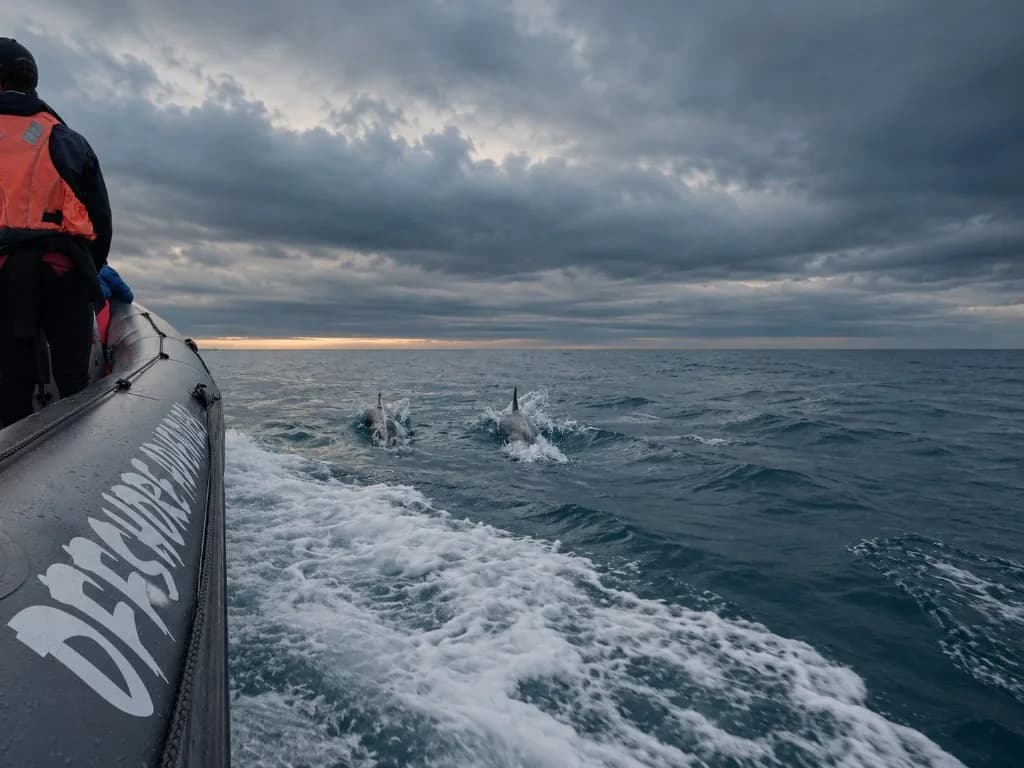
Sardine run boats are small by design: 6 to 8 guests on a fast RIB that can launch off a beach and sprint to a gannet stack. Fewer guests per boat means more room for camera gear, faster entries when a bait ball forms, and a higher price per seat. Photography-specialist departures capped at 6 guests carried roughly a 20 percent premium in 2026.
Spotter access
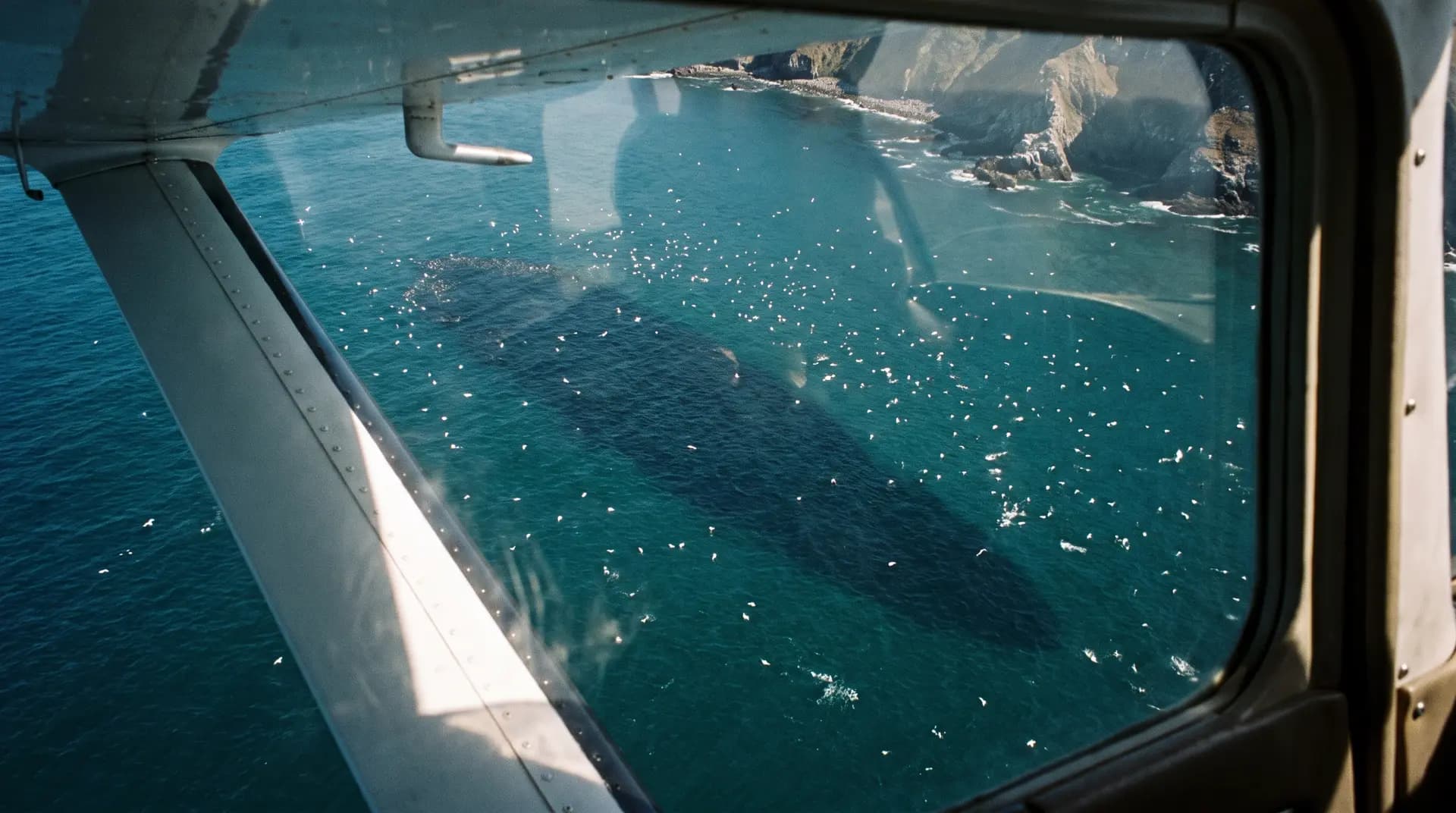
Bait balls typically last under ten minutes. The operators who consistently put guests inside them are the ones who find the action first, and that means paying for eyes: a dedicated spotter plane, a shore spotter on high ground, or shared aerial intelligence. One Port St Johns operator makes "exclusive, not shared" aerial spotting a headline selling point, and charges accordingly. When a quote looks cheap, ask exactly how that boat finds fish.
Lodge tier
The same stretch of coastline sold at R31,500 or R45,500 in 2026 depending on the lodge attached to the package. A 4-star lodge with proper heating, good food and a bar matters more than you might think in July, when you come off the water cold at 15:00 with nothing to do but recover for tomorrow. Budget operations on remote stretches save you money and give you shared ablutions and long gravel roads in exchange.
What is included, and what never is
Inclusion lists vary more than headline prices do, and this is where cheap packages claw their money back. Gear rental alone ran R500 per day at one major operator in 2026, which adds R2,500 to a 5-sea-day trip if you arrive without a wetsuit. Our packing list guide covers what to bring versus rent. The table below reflects the market norm.
| Item | Usually included | Notes |
|---|---|---|
| Accommodation (dinner, B&B) | Yes | Lodge tier drives the package price |
| Boat lunch packs and water | Yes | Standard on full-day sea trips |
| Skipper, guide, sea days | Yes | Confirm the number of guaranteed sea days |
| Tanks, weights, air fills | Yes | For qualified divers, at skipper's discretion |
| Marine protected area permits | Varies | Applies on some stretches of coast, not all |
| Spotter plane / aerial intel | Varies | Exclusive, shared, or absent; ask directly |
| Airport transfers | Rarely | R1,925-R2,695 each way from Mthatha for Port St Johns trips |
| Wetsuit, fins, mask rental | Rarely | Around R500/day extra if you need it |
| International and domestic flights | No | Agency packages are the exception |
| Dive and travel insurance | No | One agency includes DAN cover; most do not |
| Tips, alcohol, extra activities | No | Budget for these separately |
Deposits, balances and the weather clause
The payment structure is near-universal across the market: a 30 to 50 percent non-refundable deposit secures your week, with the balance due about 60 days before the trip. Boats carry 6 to 8 guests and prime weeks sell out, so the deposit is doing real work; many 2026 Port St Johns departures were marked full months in advance. Book 6 to 12 months out for first pick of dates, and read our season dates guide before choosing your week.
The clause that surprises people is weather. No operator refunds sea days lost to wind or swell. None. This is winter open-ocean work on an exposed coastline, and blown-out days are a cost of doing business that every operator passes to the guest. Some run land-based alternatives on blown days; some remote bases have little to offer beyond waiting. It is worth asking what the actual bad-weather programme is, not just whether one exists.
Insurance is not optional spend
Deposits are non-refundable and weather days are not credited, so comprehensive travel insurance with cancellation cover, plus dive-specific cover such as DAN if you plan to use scuba, is part of the real trip cost. Price it in from the start rather than treating it as an add-on.
Why the cheapest trip is usually the expensive one
A sardine run expedition is a probability purchase. You are buying time on the water during a wild event that no one controls, and everything that improves your odds costs money: more sea days, a faster boat with fewer people on it, better spotting, a skipper who has read this coastline for years. Cut the price and something on that list got cut with it.
The failure modes of a cheap trip are predictable. Too few sea days, so one bad-weather pulse wipes out half your window. A single reserve day, with extra weather days billed on top when winter does what winter does. Shared or absent spotting, so you hear about the bait ball other boats swam. Ten guests scrambling for entries on action that lasts eight minutes. None of this shows up on the pricing page. All of it shows up in the water.
The flip side also holds: the most expensive trip is not automatically the best one. A premium Port St Johns package spends part of your money on the operator's scarcity and reputation, and part on genuine capability. What you are looking for is the operator whose spend maps to your odds, which is why the per-sea-day number and the inclusion list beat the brochure every time. For a fuller comparison of the bases themselves, see our guides to Port St Johns and the East London and Chintsa stretch.
Our 7-day Chintsa expedition: 2027 pricing
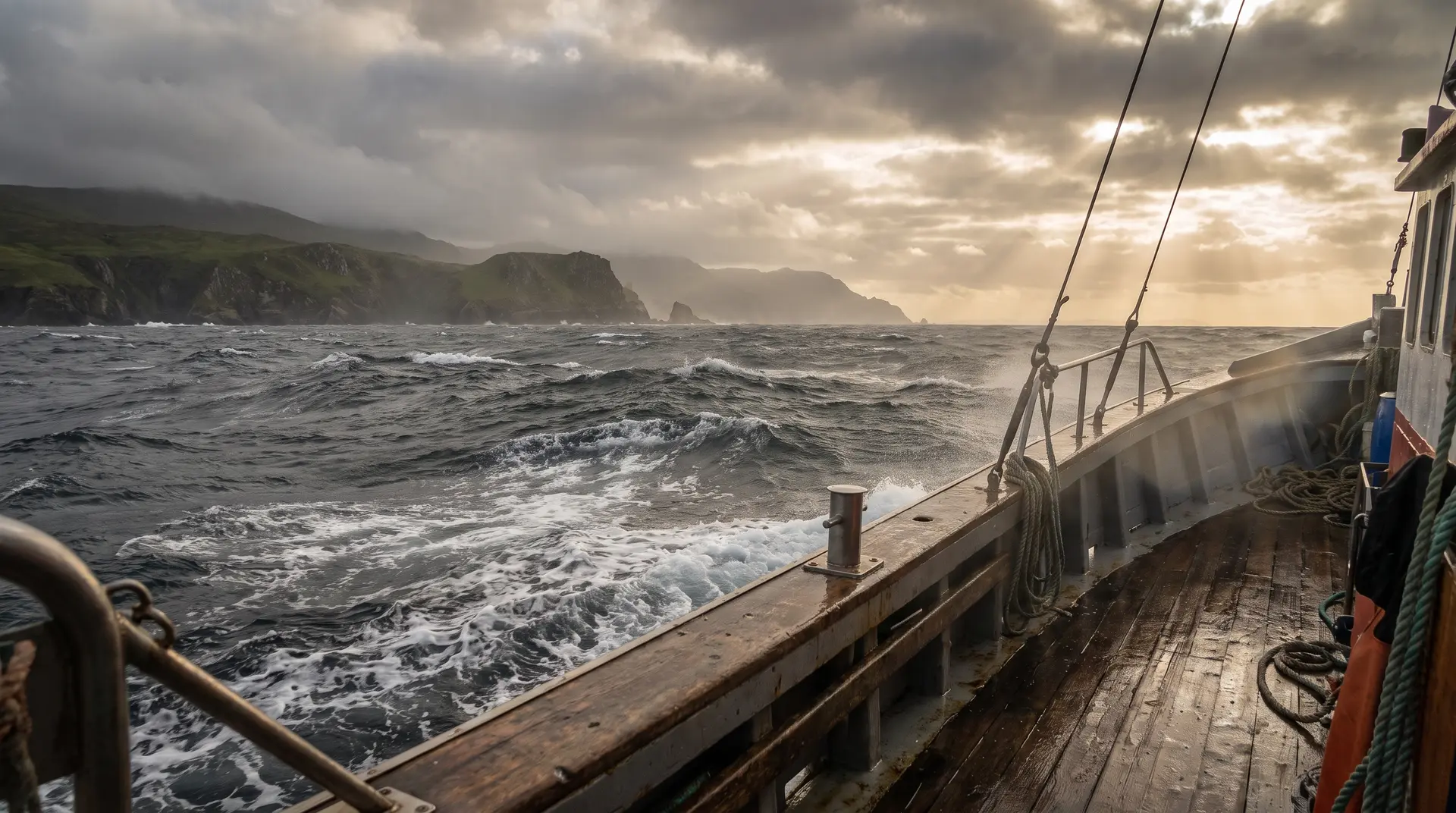
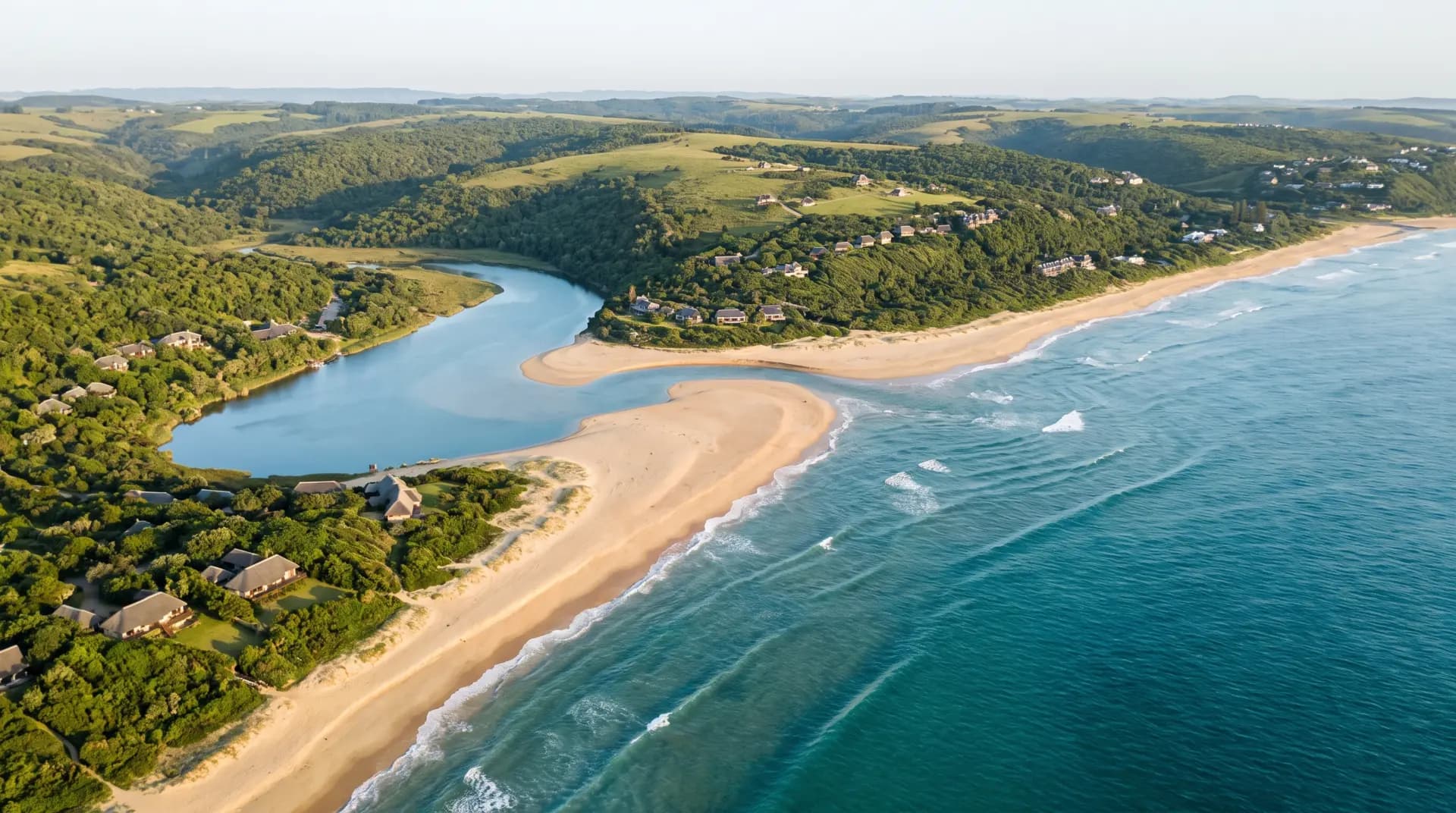
We are a new operation with an old pedigree: Sardine Run Africa is the sister company of Offshore Adventures in Plettenberg Bay, and we run a single product, a 7-day sardine run expedition based in Chintsa, 40 minutes from King Phalo Airport in East London. King Phalo takes direct flights from Johannesburg (about 1 hour 35 minutes) and Cape Town, which removes the Mthatha connection and the R1,925 to R2,695 transfer that Port St Johns trips carry.
Chintsa also sits on the southern stretch of the run, where the action arrives first in May and June before the fleet concentrates further north. Fewer boats work this water. On a bait ball that lasts ten minutes, that is not a small thing.
Our 2027 launch rate is being finalised now. What we can tell you is where it will sit and what it will include: a full 7-day expedition with the sea days that give the run a fair chance, lodge accommodation in Chintsa, boat lunches, guiding, and tanks and weights for qualified divers, priced to compete directly with the premium operators while being easier and cheaper to reach. Snorkellers and non-divers are welcome; most of the action happens at the surface, as our no-scuba guide explains. If you want the launch rate the day it is published, along with early access to 2027 weeks before general release, register your interest on our packages page.
Budgeting the whole trip: costs beyond the package
The package is the biggest line item but not the only one. Build your 2027 budget around the full list below and you will not be caught out.
Beyond the package price
- Flights: international airfare to Johannesburg or Cape Town, plus a domestic leg to your base airport (East London for Chintsa; Mthatha for Port St Johns, where flights are limited).
- Transfers: confirm whether airport pickup is included; Port St Johns road transfers ran R1,925-R2,695 each way in 2026.
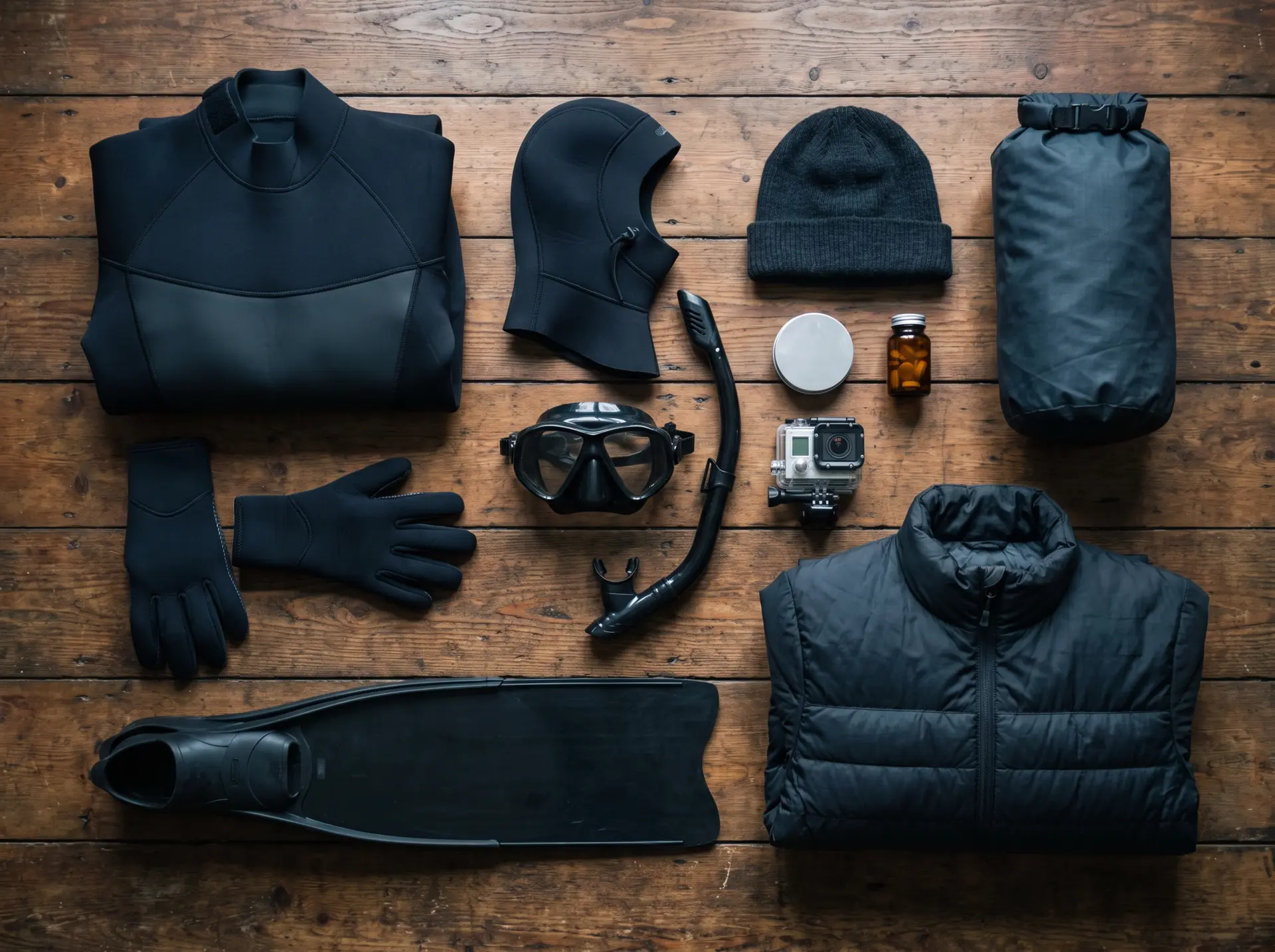
- Gear: a 5-7mm wetsuit, hood, gloves and long fins are essential in 14-21 degree water. Renting cost around R500 per day in 2026; owning pays for itself on one trip.
- Insurance: travel insurance with cancellation cover, plus DAN or equivalent dive cover if you will use scuba.
- Single supplement: prices quoted per person sharing; travelling solo adds a supplement (one Chintsa operator charged $250 extra on a one-week trip in 2026).
- Tips, drinks and rest-day activities: allow a few thousand rand for the week.
Frequently asked questions
How much does the sardine run cost per day at sea?
Across the 2026 direct-operator market, packages worked out to roughly R6,300 to R10,500 per sea day depending on lodge tier, boat size and spotting setup. Standalone boat days sold at around R5,900. Dividing any package price by its guaranteed sea days is the fastest way to compare quotes.
Is it cheaper to book directly with a South African operator or through an international agency?
Direct is almost always cheaper for the expedition itself. Agencies bundle flights and transfers and add a margin on top of the same local boats and lodges; one UK package started at GBP 3,675 including flights, against R27,500 to R53,000 (about $1,700 to $3,300) booked direct. Agencies earn their keep mainly on convenience and consumer protection for flight-inclusive bookings.
Do I get a refund if weather cancels my sea days?
No. Across the entire market, sea days lost to wind or swell are not refunded, and deposits of 30 to 50 percent are non-refundable with the balance due about 60 days out. This is why travel insurance with cancellation cover belongs in your trip budget, and why a base with real land-based alternatives on blown days is worth something.
Will 2027 sardine run prices be higher than 2026?
Operators publish new-season rates late in the prior year, so firm 2027 numbers are not out yet. The 2026 published range of R27,500 to R53,000 for 6 to 8 days is the working baseline. Booking early locks your seat on a 6 to 8 guest boat; prime 2026 weeks sold out months ahead.
How much does Sardine Run Africa's 7-day Chintsa package cost?
Our 2027 launch rate is being finalised and will be released to the enquiry list first. It will be a full 7-day Chintsa-based expedition including lodge accommodation, sea days, guiding, boat lunches, and tanks and weights for qualified divers, positioned against the premium operators while costing less to reach thanks to direct flights into East London.
Does it cost extra if I only want to snorkel rather than scuba dive?
No, and in some ways it costs less: no cylinders, no cert requirements, less gear to rent. Most sardine run action is fast and shallow, so packages are priced around surface and snorkel work with scuba used only on stable bait balls at the skipper's discretion. Non-divers pay the same seat price because the seat, the boat and the spotting are the product.
Keep reading
Get the 2027 Chintsa launch rate first
We are finalising pricing for our 7-day 2027 expeditions now. Register your interest and you will receive the launch rate and first choice of May-July weeks before they open to general booking, with no obligation attached.
Boats carry small groups only, and prime weeks go 6-12 months out.